Understanding Maitake’s Natural Habitat as a Blueprint
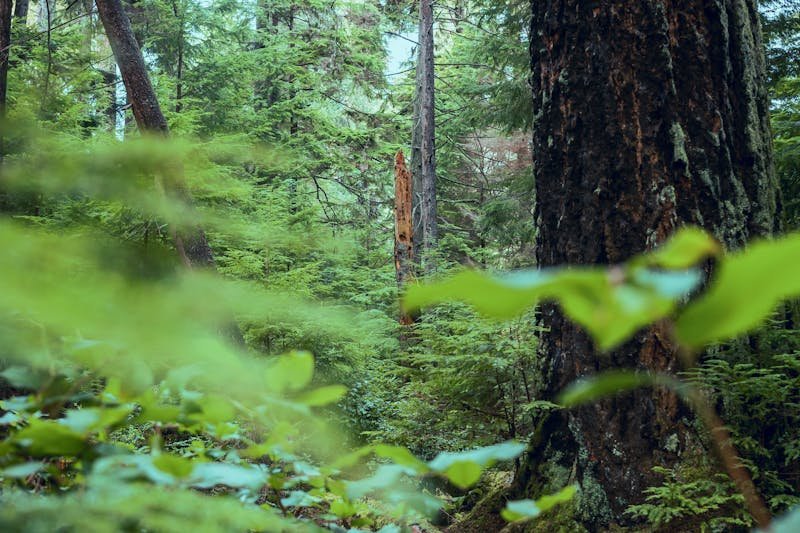
Maitake, scientifically known as Grifola frondosa, is revered not only for its distinctive taste and texture but also for its profound health benefits. Often called “Hen of the Woods” due to its ruffled, feather-like appearance, Maitake typically grows at the base of hardwood trees, particularly oaks, maples, and elms, in temperate regions of Asia, Europe, and North America. Mimicking this natural environment is the cornerstone of successful home cultivation. In its natural habitat, Maitake emerges in late summer and fall, after temperature drops and humidity increases, signaling the shift in seasons. Replicating these seasonal cues—especially temperature fluctuations and consistent high humidity—is essential for prompting the mycelium to fruit.
Temperature Requirements for Maitake Cultivation
Temperature control is paramount for each stage of Maitake’s life cycle, from vigorous mycelial growth to bountiful fruiting. Paying close attention to these ranges will significantly increase your chances of a successful harvest.
Mycelial Colonization
During the initial colonization phase, where the Maitake mycelium spreads through its substrate, consistent warmth is key. The ideal temperature range for robust mycelial growth is typically between 70-75°F (21-24°C). Temperatures much higher than this can inhibit growth or encourage contamination, while significantly lower temperatures will slow down the colonization process considerably. Maintaining this stable temperature will ensure the mycelium fully permeates the substrate, building a strong foundation for future fruiting.
Fruiting & Pinning Initiation (Cold Shock)
Once the substrate is fully colonized, Maitake requires a “cold shock” to initiate pinning and fruiting. This simulates the natural drop in temperature that occurs in autumn. For successful initiation, move your colonized substrate to a cooler environment, ideally between 50-60°F (10-16°C), for several days up to a week. This temperature drop signals to the mycelium that it’s time to produce mushrooms.
Fruiting Body Development
After pinning has begun, the Maitake fruiting bodies will develop best in a slightly warmer but still cool environment. The optimal temperature range for active fruiting is generally between 55-65°F (13-18°C). Consistency is more important than extreme precision here; avoid drastic temperature swings during this critical phase.
Humidity Control: A Critical Element
Humidity is another non-negotiable factor for Maitake cultivation. Mushrooms are mostly water, and high environmental humidity prevents them from drying out, especially during the sensitive pinning and fruiting stages.
Mycelial Colonization Humidity
During the mycelial colonization phase, humidity within the substrate itself is crucial, but the ambient air humidity doesn’t need to be excessively high. The substrate should be properly hydrated (often around 50-60% moisture content) before inoculation. While colonizing, keeping the bags or containers sealed helps maintain this internal moisture and prevents contamination.
Fruiting Chamber Humidity
The fruiting phase demands significantly higher ambient humidity. Maitake mushrooms thrive when the relative humidity (RH) is consistently between 85-95%.
- Pinning: High humidity is critical during pinning to encourage robust primordia (baby mushrooms) formation and prevent them from aborting or drying out.
- Fruiting: As the mushrooms grow, maintaining this high humidity ensures the fruiting bodies develop properly, achieving their characteristic ruffled texture without cracking or shriveling.
Practical tips for maintaining high humidity include using a humidifier in a dedicated grow tent, a “shotgun fruiting chamber” (SGFC) with perlite, or simply regular misting of the chamber walls (avoid direct misting of the mushrooms themselves, especially as they mature, as this can encourage bacterial blotch).
Beyond Temperature and Humidity: Other Key Factors
While temperature and humidity are the primary focus, other environmental factors play supporting roles in successful Maitake cultivation.
- Fresh Air Exchange (FAE): Maitake, like all mushrooms, “breathes” oxygen and releases carbon dioxide. During fruiting, consistent FAE is vital to prevent CO2 buildup, which can lead to leggy, deformed mushrooms. Aim for several air exchanges per hour.
- Light: Maitake doesn’t require direct sunlight but does benefit from indirect or ambient light (e.g., from an LED grow light or a nearby window) during the fruiting phase. Light helps signal directional growth and proper cap formation.
- Substrate: Maitake is a saprophytic fungus that feeds on dead wood. Hardwood sawdust (oak, maple) enriched with a nitrogen source like wheat bran is a common and effective substrate for cultivation.
By meticulously managing these environmental conditions, particularly temperature and humidity, you can transform your growing space into an ideal habitat for Maitake, leading to a rewarding harvest of this highly sought-after medicinal and culinary mushroom.
🍄 Explore the Myco Network
- 💪 MycoStrength.com — Functional mushroom supplement reviews for athletes and veterans
- 🛒 MycoJoes.com — Mushroom growing supplies and equipment marketplace
- 🧬 Hericium.org — Lions Mane research and science database
- 🔥 MycoBurn.com — Mushroom-based fat burners and metabolism supplements