Growing Guide
How to Grow Maitake Mushrooms at Home: Complete Beginner Guide
The Maitake mushroom, scientifically known as Grifola frondosa, is revered not only for its distinctive earthy flavor and unique texture but also for its impressive array of potential health benefits. Often called “Hen of the Woods” due to its ruffled, feather-like appearance, Maitake naturally thrives at the base of oak trees in temperate hardwood forests. If you’re wondering how to grow Maitake mushrooms at home, be prepared for a rewarding, albeit somewhat challenging, cultivation journey. Unlike quicker-fruiting species, Maitake demands patience and precision, but the payoff of harvesting your own gourmet and medicinal fungi is truly unparalleled.
Understanding Maitake’s Natural Habitat and Growth Cycle
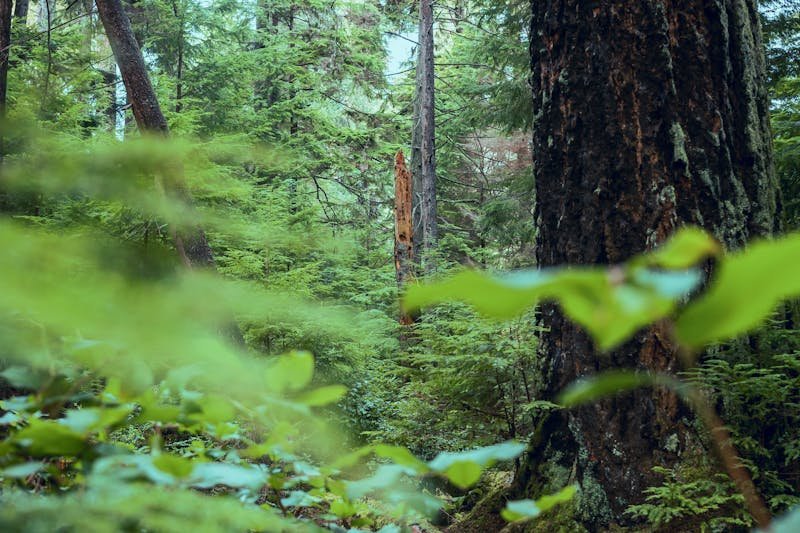
To successfully cultivate Maitake, it’s crucial to mimic its natural environment as closely as possible. In the wild, Grifola frondosa is a parasitic fungus, primarily found growing on the base or roots of hardwood trees, especially oaks, maples, and elms. It’s a polypore, meaning it releases its spores from tiny pores on the underside of its caps, rather than gills.
Maitake mycelium thrives in a specific temperature range, typically colonizing wood in cooler conditions and fruiting in late summer to early autumn when temperatures drop and humidity is high. This slow, deliberate growth cycle is a key characteristic that impacts home cultivation. Research, including studies published in journals like Mycologia, consistently highlights the preference of Grifola frondosa for hardwoods, particularly oak, as its primary food source. [Penn State Extension]
Essential Supplies and Preparing Your Substrate
Embarking on the journey of how to grow Maitake mushrooms requires careful preparation and the right materials. This species is more particular than many common culinary mushrooms, making substrate choice and environmental control paramount.
Inoculation Method: Grain Spawn vs. Plugs
- Grain Spawn: For beginners aiming for substrate blocks or bags, grain spawn is generally the most effective and fastest way to colonize a bulk substrate. You’ll need high-quality Maitake grain spawn, which can be purchased from reputable mycological suppliers.
- Plugs: If you’re attempting outdoor log cultivation (a much longer-term project), hardwood dowel plugs inoculated with Maitake mycelium are used. This method can
Looking for quality mushroom supplements?
Frequently Asked Questions
What are the potential health benefits of growing and consuming Maitake mushrooms?
Research suggests Maitake mushrooms may support immune system health and help maintain healthy blood sugar levels, contributing to overall well-being when incorporated into a balanced diet. [PubMed (Frontiers in Pharmacology)]
Is growing Maitake mushrooms at home a suitable project for a complete beginner?
While Maitake can be slightly more demanding than some other mushroom varieties, this guide aims to simplify the process, suggesting that beginners may achieve success with careful adherence to instructions.
What kind of environment do Maitake mushrooms need to thrive indoors?
Maitake mushrooms generally prefer a cool, humid environment with indirect light and good air exchange, which may be created using a suitable substrate and a controlled fruiting chamber.
How long does it typically take to go from starting the cultivation process to harvesting Maitake mushrooms?
From inoculation, it may take several weeks to a few months for Maitake mushrooms to fully colonize their substrate and begin fruiting, with the exact timeline depending on environmental conditions.
🍄 Explore the Myco Network
- 💪 MycoStrength.com — Functional mushroom supplement reviews for athletes and veterans
- 🛒 MycoJoes.com — Mushroom growing supplies and equipment marketplace
- 🧬 Hericium.org — Lions Mane research and science database
- 🔥 MycoBurn.com — Mushroom-based fat burners and metabolism supplements